HoME WAter Filtration
Master Conceptual Design of Custom Filtration Systems
Take care of your loved ones with cleaner water at home. Gain practical knowledge to assess water quality, select effective methods, and plan safe, sustainable solutions tailored to your needs — and build the skills to become a home water innovator.
What You Will Learn
1. Understand Your Water
Learn what makes household water “dirty,” where common contaminants come from (tap, well, rain, or stored water), and how they can affect health. Discover simple ways to check water quality so you know when filtration is needed.
2. Discover How Filters Clean Water
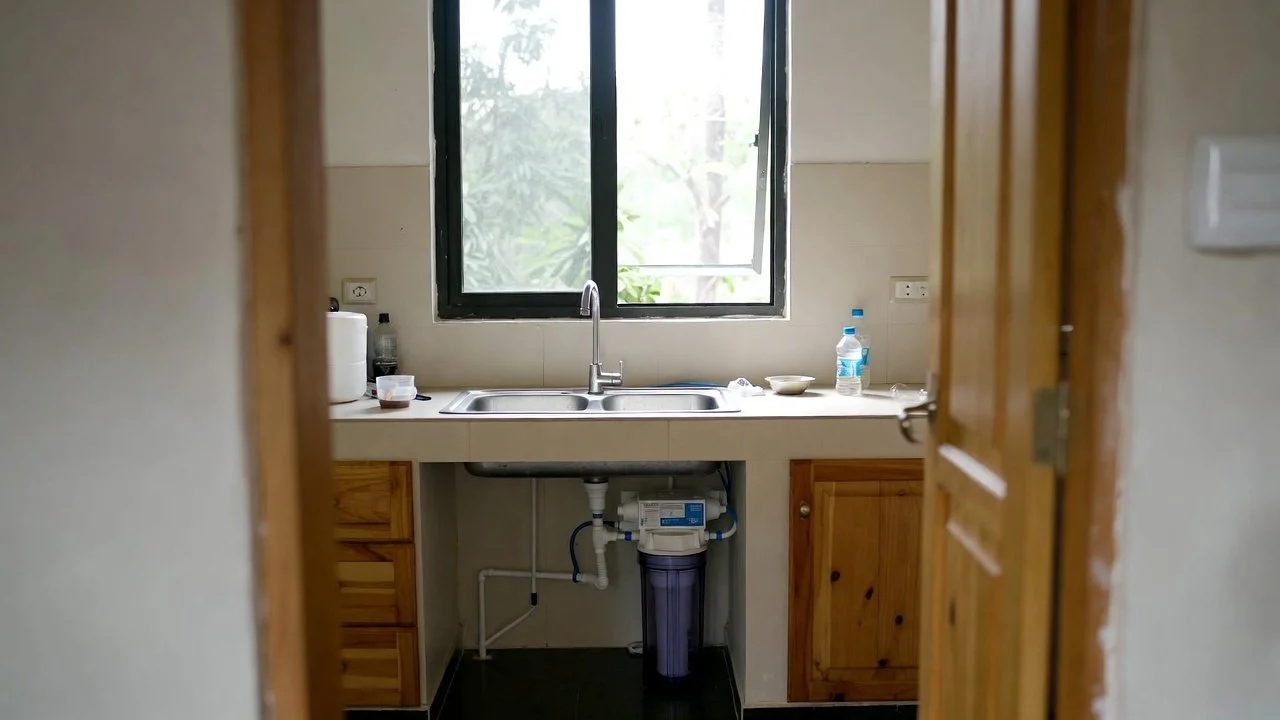
See the basic ways filters work — straining, trapping, and attracting unwanted particles — explained in everyday language. Compare popular home options such as pitcher filters, faucet filters, and under-sink systems so you can match the right method to your needs and budget.
3. Design a Custom Solution for Your Home
Follow a clear, step-by-step design process (inspired by practical engineering and NASA-style planning methods). Assess your water, choose materials and layers, sketch a conceptual filter, and plan for cost, safety, and everyday use — no building or special tools required.
4. Make It Safe, Sustainable, and Future-Ready
Add simple disinfection steps (UV light, chlorine, or boiling), plan for easy maintenance, and explore recent advances such as better materials and smarter monitoring. Finish with the confidence to evaluate commercial products, ask the right questions, and take next steps for your family or community.
Who This Program Is For
Adults (17+) who want clear, practical information about water purification. No science or engineering background is needed. This program is especially helpful if you want to:
Better understand your household water
Compare filter options with confidence
Support your family’s and community’s health
Explore pathways in water, maintenance, engineering, STEM, public health, or entrepreneurship
Format & Duration
Fully online and self-paced
Short video lessons (5–10 minutes each)
Simple diagrams, worksheets, and self-check quizzes
Optional live Q&A sessions
Recommended pace: 2–3 hours per week over about 8 weeks
Certificate of completion available after required quizzes and final project
Prerequisites: None — just access to a computer or mobile device.
Course Modules
Module 1 – Introduction to Water Quality and Why Filter at Home
Understand common water sources, contaminants, health impacts, and basic ways to check water quality.
Module 2 – Basic Principles of Water Filtration
Learn how filters clean water using simple ideas such as straining, settling, and attracting particles.
Module 3 – Types of Home Water Filters
Compare pitcher, faucet, under-sink, and other common systems — how they work, costs, and pros & cons.
Module 4 – Engineering Concepts in Filter
Design Explore basic design ideas (matching materials to problems, layering, and flow) explained with everyday analogies.
Module 5 – Materials for Home Filters
Discover accessible materials such as activated carbon, sand, ceramic, and membranes, and how to choose them.
Module 6 – The Design Process for Home Filters
Follow a clear step-by-step process to assess needs, plan layers, sketch a conceptual design, and refine it.
Module 7 – Disinfection and Home Methods
Learn simple ways to make water safer from bacteria and viruses (UV, chlorine, boiling) and how to add them to your design.
Module 8 – Sustainability and Maintenance
Plan for long-term use: lower-waste materials, filter lifespan, and basic maintenance concepts.
Module 9 – Recent Innovations and Future Trends
Explore newer ideas such as advanced materials and smarter monitoring that can improve home filtration.
Module 10 – Final Design Project & Next Steps
Put everything together: finalize your conceptual design, estimate costs, and plan how to move forward.
Module 11 – Getting Help When Needed
Learn how to troubleshoot common issues and connect with further support or learning.
Resources Provided
You will receive:
Free online readings from Bridges-Strong and trusted sources
Practical worksheets (for example: mapping contaminants and sketching designs)
A glossary of key terms
Links to recent studies on home filtration
Assessment
Practice quizzes after each module (optional). A required end-of-module quiz and a final conceptual design project are needed for the certificate. Feedback is provided — no traditional grades.